
Atherosclerosis: treatment and diagnosis
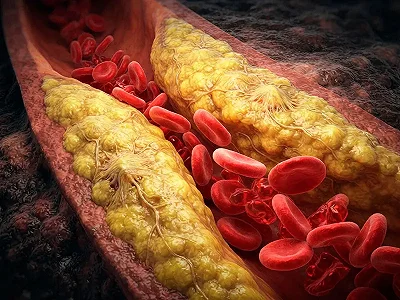
The health of the entire body depends directly on the cleanliness and elasticity of blood vessels. When fatty deposits begin to accumulate on the inner walls of arteries, the vessel lumen narrows, disrupting tissue nutrition and creating a hidden threat to human life.
Atherosclerosis is a slowly progressive, systemic disorder in which hard cholesterol plaques form in the lining of large and medium-sized arteries. Over time, these deposits grow, combine with calcium salts, and turn into rigid barriers that impede the free flow of blood.
As a result, blood vessels lose their elasticity, become brittle, and narrow, forcing tissues to experience a constant oxygen deficit. The body tries to compensate for this deficiency for a long time, but without proper medical help, the system sooner or later fails.
What Threats Atherosclerosis Poses
The main danger posed by atherosclerosis lies in its ability to suddenly block vital transport highways of the body. An atherosclerotic plaque can not only gradually close the vessel lumen, but also rupture, triggering an immediate adherence of blood cells and the formation of a blood clot.
If such a clot completely blocks an artery supplying the brain or heart, minutes will count. The catastrophe develops rapidly, turning a chronic health problem into a fatal threat or a cause of severe disability.
Causes of Atherosclerosis
Doctors view this disease as a multifactorial process in which a person's lifestyle is closely intertwined with their internal biological characteristics. The main causes of atherosclerosis are associated with damage to the protective inner layer of vessels, through which excess harmful cholesterol then freely penetrates.
Among the key factors triggering the formation of plaques, the following stand out:
- genetically determined metabolic features and a tendency toward high blood lipid levels;
- constantly elevated blood pressure, which physically damages and wears out the delicate arterial walls;
- smoking cigarettes and e-cigarettes (vaping), as toxins cause spasms and render vascular tissue defenseless against cholesterol;
- the presence of diabetes, in which excess glucose literally damages the inner lining of capillaries and main vessels;
- a predominance of trans fats, simple carbohydrates, and a severe lack of fresh dietary fiber in the diet;
- a sedentary lifestyle leading to slowed metabolism and stagnation.
Each of these factors contributes to the gradual clogging of the circulatory system, which is why the problem must be fought on all fronts simultaneously.
Symptoms of Vascular Atherosclerosis
The insidious nature of the disease lies in its hidden course in the early stages: a plaque can obstruct up to half of the vessel diameter, while a person feels absolutely nothing. The first clear symptoms of atherosclerosis make themselves felt only when organs begin to truly suffer from lack of blood supply.
Specific signs of atherosclerosis depend directly on which part of the body the disease has developed in:
- when heart vessels are affected, squeezing chest pain, shortness of breath when walking, and a feeling of air deficiency occur;
- if cerebral arteries are affected, the patient is bothered by frequent noise in the head, memory impairment, unprovoked dizziness, and rapid fatigue;
- with vessel problems in the legs, characteristic claudication appears – sharp pain in the calf muscles, forcing one to stop during an ordinary walk;
- if plaques block an abdominal artery, the patient complains of dull abdominal pain after eating and regular digestive disorders.
Each of these symptoms requires immediate diagnostics, as it indicates that the disease has already entered an active phase.
Diagnostics of Arterial Atherosclerosis
Modern diagnostics of atherosclerosis aims to detect dangerous vessel narrowings before they lead to catastrophe. Doctors use a whole range of examinations that allow a look inside the vascular bed.
The basis of a comprehensive diagnosis consists of:
- An expanded blood biochemistry test determining all cholesterol fractions and triglycerides (lipid profile).
- Doppler ultrasound of blood vessels, helping to visualize atherosclerotic plaques in real time, evaluate their size, and measure blood flow velocity.
- Computed tomography angiography – a detailed X-ray examination of vessels using a contrast agent to locate areas of narrowing.
- ECG stress test on a treadmill or stationary bike to check heart performance under conditions of oxygen deficit.
The obtained data allow the specialist to draw up an accurate anatomical map of damage and develop the safest possible treatment strategy.
Which Doctor Treats Atherosclerosis?
Since the disease affects the entire circulatory system, a team of specialists deals with its treatment. The main coordinator is usually a cardiologist or an internist, who assesses overall risks and selects protective medications. If plaques are localized in the vessels of the neck and head, a neurologist necessarily joins the process, and when limb or abdominal arteries are affected, a vascular surgeon takes the leading role.
Atherosclerosis Treatment in Warsaw
European medical standards applied in our medical center allow achieving excellent results in controlling vascular health. Effective methods of atherosclerosis treatment are selected strictly individually based on the results of detailed examinations and the general condition of the patient.
Pharmacological Treatment of Atherosclerosis
The basis of the conservative approach is taking medications that stabilize existing plaques, preventing them from growing and rupturing. The doctor prescribes modern drugs that lower harmful blood fat levels, medications that mildly thin the blood and prevent clots, as well as drugs that protect the inner vessel wall from inflammation.
Surgical Treatment of Atherosclerosis
If the vessel lumen is critically narrowed and life-threatening, doctors resort to minimally invasive procedures. Through a tiny puncture, a thin catheter is inserted into the artery, which widens the narrowed area with a special balloon and places a flexible stent there to maintain its shape, or the surgeon creates a bypass for blood flow.
Every intervention is planned to minimize risks and return the patient to normal life in the shortest possible time.
Cost of Atherosclerosis Treatment in Warsaw
Our medical center offers a transparent and clear fee structure for cardiology services without hidden charges. The final cost of treatment consists of consultation prices for specialist doctors, laboratory tests of lipid metabolism, and ultrasound examinations of the vascular bed.
Pricing is also influenced by the need for 24-hour monitoring or complex hardware angiography, with the patient always paying only for those procedures that are truly necessary for their clinical situation.
Effects of Arterial Atherosclerosis
Ignoring body signals and postponing a visit to a specialist allows the disease to slowly destroy the body. Severe complications of atherosclerosis can manifest suddenly, turning a latent process into an acute life-threatening emergency.
The most dangerous complications of atherosclerosis include:
- acute myocardial infarction due to sudden blockage of a coronary artery;
- ischemic stroke, depriving the brain of nutrition and leading to speech loss or paralysis;
- gangrene of the lower extremities, developing due to complete cessation of blood supply to the toes and feet;
- aortic aneurysm – a dangerous bulging of the main vessel wall, threatening sudden rupture.
Timely initiation of therapy is the only way to protect oneself against such critical scenarios.
Prevention of Vascular Atherosclerosis
Protecting the circulatory system from atherosclerotic plaques is promoted by a conscious approach to daily habits. Proper prevention of vascular atherosclerosis can halt the progression of the disease even with unfavorable genetic traits.
The foundation of vascular protection consists of simple and clear rules:
- Complete elimination of store-bought fast food, convenience foods, margarine, and hydrogenated oils from the diet. These products contain dangerous trans fats that instantly damage the inner lining of arteries and trigger the cholesterol deposition process.
- Reduction in consumption of fatty red meat, sausages, hot dogs, and smoked products. Instead, focus on lean poultry and sea fish rich in omega fatty acids.
- Inclusion of large amounts of fresh vegetables, berries, legumes, and whole-grain cereals in the daily menu. Crude plant fiber acts as a natural sorbent in the intestines, binding and removing excess fats before they enter the bloodstream.
- Regular use of unrefined olive oil or cold-pressed flaxseed oil. Healthy plant fats help dissolve existing light deposits and strengthen vessel walls.
- Consistent and adequate physical activity – at least 150 minutes of moderate workouts or brisk walking per week. Movement prevents blood stagnation, forces the heart to work more efficiently, and helps tissues actively absorb glucose.
- Complete and absolute cessation of any form of smoking, including e-cigarettes and hookahs. Tars and nicotine cause persistent arterial spasms and deprive them of natural protection, leaving them vulnerable to plaque formation.
- Strict control of blood sugar levels and maintaining a healthy body weight. Overweight and high glucose indicators create conditions for chronic inflammation, which accelerates the aging of the circulatory system.
These measures help keep the blood fluid, prevent blood cells from sticking together, and keep vessel walls smooth, elastic, and completely clean for many years.
Advantages of Atherosclerosis Treatment at Lekarze w Warszawie
In our medical center, when atherosclerosis is diagnosed, treatment and prevention are carried out according to the most modern European protocols. We have created conditions under which vascular care is as effective and comfortable as possible.
Our key advantages:
- High-class cardiologists and internists fluent in Polish, English, Ukrainian, and Russian. Specialists will explain the patient's current condition and treatment options in simple and clear language.
- Use of high-precision expert ultrasound equipment for detailed evaluation of atherosclerotic plaques.
- Fast access to laboratory diagnostics and prompt processing of necessary medical documentation.
- Development of individual nutrition and body support programs adapted to your lifestyle. The doctor will evaluate the specific patient's condition and construct a treatment scheme accordingly.
- No queues. Simply register with our reception staff for a convenient appointment time. There is no long waiting in corridors – you will receive qualified care at the precisely agreed time.
We help patients not just temporarily improve lab results, but fundamentally transform their vascular health for the better.
Book an Appointment for Atherosclerosis Treatment in Warsaw
Take charge of your vessel health today without waiting for dangerous complications. Our medical center "Lekarze w Warszawie" offers convenient appointment booking with experienced cardiologists via the website form, phone, or instant messengers. We will help you undergo detailed diagnostics, interpret the results, and select gentle, effective therapy for a long and active life.

We care for your health with full commitment and professionalism.
What our clients say about us
Our clients’ reviews
Oksana

I had an appointment with a cardiologist and I am very satisfied. The doctor is competent, explained everything in an accessible way, and provided good treatment recommendations. The clinic staff is polite and attentive. Service at the highest level. I highly recommend this clinic!
Oksana Kharebina
I am very satisfied with another visit to the medical center. I have been coming here for several years, seeing various doctors. I always encounter an attentive and kind approach from both doctors and nurses. And of course, most importantly – a positive treatment outcome. I recommend it!
Sviatlana Areshchankova
I would like to thank the doctors very much for your work! I liked everything. I highly recommend them.
We have answers to all questions
FAQ
It is worth seeing a cardiologist in case of chest pain, heart palpitations, shortness of breath, swelling, dizziness, or abnormal ECG results.
Yes, you can make an appointment with a cardiologist without a referral — simply contact us by phone or register online.
No special preparation is required. However, it is worth bringing the results of previous tests, a list of medications you are taking, and blood pressure measurements if they have been performed.
The most common symptoms include: chest pain or pressure, rapid fatigue, irregular heartbeat, leg swelling, and shortness of breath.
Yes, we offer telephone or video teleconsultations (via the HaloDoctor platform). During the visit, the doctor can issue an e-prescription, an e-referral, or provide further medical recommendations.
No, we are a private clinic and we do not cooperate with the National Health Fund (NFZ).


