
Chest pain
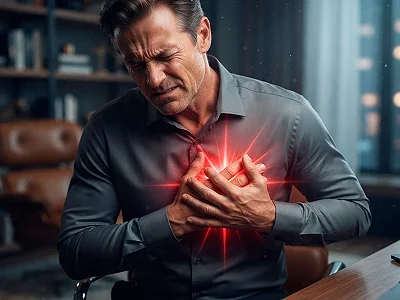
Sudden discomfort behind the ribs always triggers anxiety and forces a person to listen closely to every heartbeat. Our body is designed in such a way that any chest pain serves as a direct signal of malfunction, ignoring which can be deadly.
Main Causes of Chest Pain
To understand what can cause chest pain, it is necessary to realize that vital life-support hubs are concentrated in this area. Unpleasant sensations can originate from the heart itself, as well as from the lungs, major blood vessels, esophagus, or even inflamed rib muscles.
Key contributors to chest discomfort include:
- heart conditions (angina, myocarditis or pericarditis, heart attack);
- spasms and diseases of the digestive system (heartburn, reflux, ulcer, esophageal spasm);
- respiratory system disorders (pleurisy, pneumonia, pulmonary embolism);
- musculoskeletal issues (intercostal neuralgia, osteochondrosis, rib bruises);
- psycho-emotional disruptions (panic attacks, severe stress, autonomic dysfunction).
It is crucial for a doctor to carefully analyze the nature of the sensations, as drastically different pathologies can hide behind similar symptoms.
Types of Chest Pain
Each type of discomfort has its own unique character and points to a specific malfunction within internal systems. An accurate description of the sensations helps the specialist quickly narrow down the search and suspect a dangerous condition in time.
Most often, patients experience the following manifestations:
- Aching chest pain. This condition usually indicates chronic spine issues, prolonged stress, or muscle strain after physical labor. Such discomfort can wear a person down for hours, intensify toward the evening or during prolonged sitting in one position, forcing the person to constantly seek a comfortable body posture.
- Sharp chest pain. Often occurs suddenly upon taking a full breath, coughing hard, or making a sharp turn to the side, which is characteristic of intercostal neuralgia, inflammatory lung issues, or hidden rib injuries. It feels like a sudden bayonet jab, making the person literally freeze in place and fear making even a short breath.
- Burning and pressing pain behind the sternum. A classic companion of myocardial oxygen deprivation or severe acid reflux from the stomach into the esophagus. If it involves the heart, the sensation of an unbearable tightness or a spreading fire in the chest can rapidly spread to the left side of the body, without easing after rest.
- Stabbing short-term shooting pains. Most frequently localized at a single specific point and lasting only a few seconds. Such sudden bursts of discomfort are usually linked to functional nervous system disorders, localized muscle spasms, or minor displacement of intervertebral joints.
Understanding the nature of the pain allows you to avoid panicking prematurely while ensuring you don't miss moments that require immediate action.
When Should You See a Doctor for Chest Pain?
If discomfort does not subside within a few minutes, intensifies, and is accompanied by a general deterioration in well-being, there is no time to delay. A squeezing pain in the heart region that radiates to the left arm or face and is accompanied by cold sweats should cause particular concern.
Such a symptom directly indicates myocardial oxygen deprivation and may be a harbinger of an acute heart attack. In these cases, it is necessary to call emergency services immediately rather than trying to dull the discomfort with ordinary pain tablets.
Diagnostics for Pain in the Sternum Area
Comprehensive diagnostics of chest pain is a prompt process aimed at quickly ruling out life-threatening conditions. The doctor must utilize maximum modern methods to establish an accurate diagnosis.
The examination plan typically includes:
- recording an electrocardiogram (ECG) for immediate evaluation of heart function;
- cardiac ultrasound (Echocardiogram) to check muscle contractility and valve status;
- express laboratory blood tests for specific markers of myocardial damage;
- chest X-ray to check the condition of the lungs and ribs.
Based on these findings, a safe and effective strategy for further action is developed.
Chest Pain Treatment in Warsaw
Qualified chest pain treatment at the medical center is based on international medical standards and an individual approach to every patient. The therapeutic plan is never built on random guessing – it depends exclusively on the identified root cause of discomfort, determined by doctors through precise hardware and laboratory tests.
Depending on the confirmed diagnosis, doctors apply the following methods:
- Prescription of vasodilator and protective medications for cardiological issues. This includes selecting modern drugs that relieve spasms in coronary arteries, improve oxygen delivery to the myocardium, gently stabilize the pulse, and prevent dangerous blood cell aggregation.
- Use of anti-inflammatory drugs and muscle relaxants for neuralgia and muscle spasms. These medications help quickly relieve local swelling in a pinched nerve root, relax tense intercostal muscle fibers, and completely eliminate painful shooting sensations during breathing.
- Selection of remedies to reduce stomach acidity for gastroenterological causes. The doctor prescribes medications that block excess hydrochloric acid secretion and create a protective film on esophageal walls, eliminating burning sensations behind the sternum.
- Referral for physical therapy and exercise therapy to restore spinal mobility. Gentle manual support techniques, professional massage, and specialized exercises help strengthen the muscle frame, unload the thoracic spine, and permanently eliminate the cause of pinched nerves.
- Psychotherapeutic support and prescription of mild sedatives for panic attacks. If the examination confirms that internal organs are completely healthy and the discomfort is caused by nervous exhaustion, emphasis is placed on stabilizing the autonomic nervous system.
The doctor's primary task is not merely to temporarily relieve the pain syndrome with strong analgesics, but to completely eliminate the underlying factor causing it. Such a thorough approach protects the patient from recurrent attacks and shields the body from the hidden progression of dangerous internal pathologies.
Advantages of Treatment at Lekarze w Warszawie
At the "Lekarze w Warszawie" medical center, we have rejected cookie-cutter approaches so you can examine your heart and blood vessels in the most calm environment possible. Our team has organized the diagnostic process to decode any dangerous signals in the chest quickly, accurately, and without exhausting waits.
By trusting your health to our specialists, you receive a fundamentally different level of care:
- Complete mutual understanding with the doctor. At your appointment, you will be met by cardiologists and therapists who will attentively listen to every complaint and explain the action plan without complex medical jargon.
- Expert-class diagnostics on site. You won't need to travel to different addresses – high-precision ultrasound diagnostic equipment (Echocardiogram) and instant ECG recording devices are located directly in our center.
- Fast resolution of pharmacy needs. Directly during the consultation, the doctor will compile a list of medications that are easy to find in any pharmacy network.
- Respect for your time. We value our patients' comfort, which is why we conduct appointments strictly by schedule, without endless queues.
Our main goal is to find the true source of discomfort in the shortest possible time, relieve unnecessary anxiety, and return you to your usual rhythm of life, where there is no room for fear over your heart.
Prevention of Chest Pain
To protect yourself from sudden attacks, systematic prevention of chest pain is necessary, aimed at strengthening blood vessels, muscles, and overall body tone. To keep your body in optimal condition, simple rules should be followed:
- Regular physical activity to strengthen the muscular frame of the back and chest. Swimming, yoga, or pilates are suitable as they gently relieve spasms, improve posture, and prevent pinched nerve endings.
- A balanced diet limiting fatty, spicy foods and excess salt. Such a diet protects the esophageal mucosa from heartburn, prevents cholesterol plaque growth, and avoids fluid retention.
- Cessation of smoking and excessive alcohol consumption. The absence of toxins preserves the natural elasticity of arteries and protects the heart from sudden oxygen shortages.
- Timely treatment of chronic stomach and spine diseases. Regular check-ups with specialized doctors help eliminate problems at an early stage, preventing them from masquerading as heart attacks.
- Stress management and proper night's rest. Healthy eight-hour sleep and the ability to relax block the excessive release of anxiety hormones that cause chaotic muscle contractions and vascular spasms.
- Monitoring weight and basic body parameters. Regular checks of blood pressure and sugar levels help control hidden processes that adversely affect overall well-being.
Caring for your body today is your insurance against sudden disruptions and pain in the future.

We care for your health with full commitment and professionalism.
What our clients say about us
Our clients’ reviews
Oksana

I had an appointment with a cardiologist and I am very satisfied. The doctor is competent, explained everything in an accessible way, and provided good treatment recommendations. The clinic staff is polite and attentive. Service at the highest level. I highly recommend this clinic!
Oksana Kharebina
I am very satisfied with another visit to the medical center. I have been coming here for several years, seeing various doctors. I always encounter an attentive and kind approach from both doctors and nurses. And of course, most importantly – a positive treatment outcome. I recommend it!
Sviatlana Areshchankova
I would like to thank the doctors very much for your work! I liked everything. I highly recommend them.
We have answers to all questions
FAQ
It is worth seeing a cardiologist in case of chest pain, heart palpitations, shortness of breath, swelling, dizziness, or abnormal ECG results.
Yes, you can make an appointment with a cardiologist without a referral — simply contact us by phone or register online.
No special preparation is required. However, it is worth bringing the results of previous tests, a list of medications you are taking, and blood pressure measurements if they have been performed.
The most common symptoms include: chest pain or pressure, rapid fatigue, irregular heartbeat, leg swelling, and shortness of breath.
Yes, we offer telephone or video teleconsultations (via the HaloDoctor platform). During the visit, the doctor can issue an e-prescription, an e-referral, or provide further medical recommendations.
No, we are a private clinic and we do not cooperate with the National Health Fund (NFZ).


