
Myocardial infarction
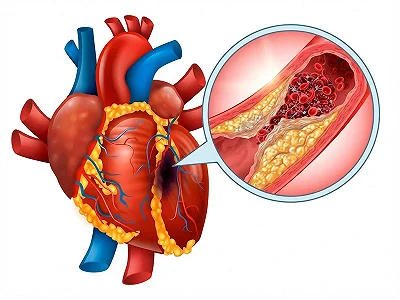
A sudden disruption in the functioning of the heart's circulatory system can instantly divide a person's life into before and after. When a large blood vessel supplying the body's main muscle becomes blocked, every minute counts, and the patient's survival depends on the speed of care provided; therefore, myocardial infarction requires utmost vigilance and immediate action.
What is Myocardial Infarction?
Myocardial infarction is a sudden vascular catastrophe resulting in the rapid death of cells in a specific area of the heart due to a critical lack of nutrition. Such a crisis unfolds when a main supply vessel is blocked by a blood clot or squeezed by a prolonged spasm, cutting off oxygen and vital nutrients to the tissues.
Without blood supply, heart cells begin to rapidly deteriorate after just 20-30 minutes, and over time, a rigid scar forms at the site of the dead fibers. The larger the blocked vessel, the greater the area of damage and the more severe the consequences for the circulatory function of the entire organ.
Risk Groups and Predisposition to Infarction
In medical practice, myocardial infarction, whose etiology has been studied in detail, is considered a natural result of long-term damage to the vascular system. The following categories of people are most predisposed to this vascular disease:
- men over 45 years of age and women post-menopause;
- people with a family history of early cardiac pathologies;
- patients with consistently high blood pressure, overweight, and diabetes;
- individuals with chronically impaired lipid metabolism and critically high cholesterol levels.
These categories of patients need to undergo regular preventive check-ups to prevent a sudden crisis.
Symptoms of Myocardial Infarction
The main and most palpable symptom of myocardial infarction is a sudden, unbearable, pressing, or burning pain behind the chest. This feeling is often described as a heavy weight on the chest. Unlike a typical angina attack, this pain does not subside after rest or taking usual vasodilator tablets and can last for hours.
There are other markers by which danger can be recognized:
- the sudden flare of pain does not stay in one place, but rapidly spreads throughout the upper half of the body, radiating to the left arm, shoulder blade, neck, or jaw;
- a sudden breakout of cold, sticky sweat, and severe paleness of the skin;
- acute shortness of breath, a panic fear of death, and severe dizziness;
- nausea, a burning sensation similar to heartburn, or upper abdominal pain (abdominal form of the attack).
When such signals occur, one must not wait and hope that everything will pass on its own – emergency services must be called immediately.
Triggers of a Heart Attack
Although plaques in blood vessels grow over years, the breakdown itself occurs under the influence of a specific trigger. The main causes of an infarction lie in the sudden rupture of a cholesterol plaque, where the body instantly attempts to repair the wound by building a dense blood clot (thrombus).
This dangerous process can be triggered by:
- Physical strain. Sudden heavy lifting or a demanding run without preparation causes a surge in blood pressure and a rapid pulse. Blood begins to move through the vessels at tremendous speed and literally strips or tears the top of an unstable plaque.
- Stress and anger. At this moment, a powerful surge of adrenaline and cortisol occurs. Vessels constrict sharply (spasm), pressure spikes, and the plaque inside the constricted vessel ruptures.
- Cold weather after heat. A sudden change in temperature causes a reflex spasm of all bodily arteries, including the coronary ones. Against the background of vascular narrowing, plaque stability is disrupted, and blood clotting is sharply activated.
- A heavy meal and consecutive smoking. Abundant fatty food temporarily makes the blood thicker and more viscous, while nicotine causes severe short-term arterial spasm and platelet aggregation. In combination, these create ideal conditions for the instantaneous occlusion of a vessel by a clot.
These factors will not grow a plaque in five minutes, but if it was already present in the vessel, they will act as a trigger, leading to an infarction.
Classification and Stages of Myocardial Infarction Development
The following stages of myocardial infarction are distinguished, each characterized by specific processes of tissue destruction or recovery:
- Hyperacute stage. Lasts from 30 minutes to 2 hours from the onset of the first unbearable chest pain. In this short timeframe, ischemic damage to heart cells is still reversible; therefore, emergency opening of the vessel can completely save the muscle from dying.
- Acute stage. Lasts from 2 to 10 days, during which final necrosis of the deprived heart section occurs. Myocardial cells in this area are completely destroyed, and the body triggers a local inflammatory response to clear the damaged area.
- Subacute stage. Takes up to 1 month, during which young connective tissue actively grows at the site of the dead muscle fibers. The heart gradually adapts to the loss of a portion of its cells, and circulation around the damaged zone stabilizes.
- Post-infarction stage. Lasts from 2 to 6 months and marks the final maturation and tightening of a durable connective tissue scar. This period determines how effectively the heart will be able to manage its functions in the future and whether long-term support will be required.
Acute myocardial infarction is the most life-threatening, during which the myocardium is most vulnerable to ruptures and severe rhythm disturbances. During this period, the muscle structure becomes unstable, and damaged cells can provoke chaotic heart contractions.
Diagnostics of Myocardial Infarction in Warsaw
Timely diagnostics of myocardial infarction is a race against time, where every second matters to save viable heart cells. The set of diagnostic measures includes:
- Recording an electrocardiogram (ECG). This is the main test that allows doctors to immediately see the damaged area and determine the type of attack.
- Express blood tests for specific markers (troponins) that are released into the bloodstream only when heart cells are destroyed.
- Emergency echocardiogram (EchoECG) to evaluate wall motion of the ventricles and identify non-contracting zones.
- Coronary angiography. This is an X-ray examination of vessels using contrast dye to pinpoint the exact location where a clot has blocked the lumen.
This prompt approach enables doctors to accurately establish a diagnosis within the first hours and immediately proceed to restoring blood flow.
Methods of Infarction Treatment
The primary goal of myocardial infarction treatment is the prompt reopening of the blocked artery (reperfusion) to save the dying muscle. Medicine utilizes effective approaches:
- pharmacological clot dissolution using potent intravenous medications (thrombolysis);
- minimally invasive vessel expansion with a balloon and installation of a metal mesh frame (stenting);
- prescription of drugs to reduce heart load, prevent new clots, and control heart rhythm.
After saving the patient's life, they are mandatorily transferred to a strict rehabilitation stage, where physical activity is monitored and home therapy is adjusted by specialists.
Advantages of Treatment at Lekarze w Warszawie
By contacting our medical center, patients gain access to top-tier cardiological support during recovery and prevention of recurrent attacks. We understand how crucial individual monitoring of heart function is after a vascular catastrophe.
We offer our visitors the following advantages:
- Specialized cardiologists with extensive experience who know how to treat infarctions at every stage.
- Expert equipment for conducting ECG, EchoECG, and Holter monitoring in comfortable conditions. Patients are assigned only necessary examinations.
- Prompt issuance of all prescriptions for European medications (e-recepta) and formulation of a safe administration schedule.
- Step-by-step rehabilitation and nutrition programs for a smooth return to daily life.
Our team is dedicated to protecting your heart from new threats and helping you regain confidence in your body.
Dangerous Consequences of a Past Attack
If medical assistance was delayed, the damaged muscle cannot restore its structure without a trace. Severe consequences of myocardial infarction can manifest both in the first days and months after discharge from the clinic.
Among key problems, doctors highlight the following complications after myocardial infarction:
- chronic heart failure, when due to scarring the organ loses power and can no longer pump the required volume of blood;
- dangerous rhythm disturbances (arrhythmias), arising from altered electrical conductivity in the scar tissue zone;
- formation of a cardiac aneurysm – thinning and bulging of the ventricular wall at the site of past damage;
- risk of recurrent infarction due to persistent plaques in other arteries.
Continuous monitoring by a cardiologist allows for timely identification of these changes and adjustment of treatment to protect the heart.
Prevention of Myocardial Infarction
To prevent primary or secondary vascular blockages, systematic prevention of myocardial infarction is necessary. Heart protection relies on a complete lifestyle overhaul and strict control of vital indicators:
- complete smoking cessation, as nicotine instantly constricts coronary arteries;
- transition to a diet rich in greens, fish, olive oil, and minimal animal fats;
- daily moderate physical activity (walking, swimming) without extreme exertion;
- maintaining a normal weight and managing blood sugar levels in diabetes;
- regular intake of medications to stabilize cholesterol and keep blood pressure within 130/80.
These simple yet consistent actions help maintain vascular elasticity and minimize the risk of sudden vascular failures.
Book an Appointment for Diagnostics and Treatment of Myocardial Infarction in Warsaw
Heart care tolerates no carelessness or delay. If you have risk factors, occasionally experience chest discomfort, or have already suffered an attack and need professional recovery, book a consultation with the cardiologists at "Lekarze w Warszawie". We will help you undergo a detailed examination and prepare a safe plan for a long, active life without fear of new attacks.

We care for your health with full commitment and professionalism.
What our clients say about us
Our clients’ reviews
Oksana

I had an appointment with a cardiologist and I am very satisfied. The doctor is competent, explained everything in an accessible way, and provided good treatment recommendations. The clinic staff is polite and attentive. Service at the highest level. I highly recommend this clinic!
Oksana Kharebina
I am very satisfied with another visit to the medical center. I have been coming here for several years, seeing various doctors. I always encounter an attentive and kind approach from both doctors and nurses. And of course, most importantly – a positive treatment outcome. I recommend it!
Sviatlana Areshchankova
I would like to thank the doctors very much for your work! I liked everything. I highly recommend them.
We have answers to all questions
FAQ
It is worth seeing a cardiologist in case of chest pain, heart palpitations, shortness of breath, swelling, dizziness, or abnormal ECG results.
Yes, you can make an appointment with a cardiologist without a referral — simply contact us by phone or register online.
No special preparation is required. However, it is worth bringing the results of previous tests, a list of medications you are taking, and blood pressure measurements if they have been performed.
The most common symptoms include: chest pain or pressure, rapid fatigue, irregular heartbeat, leg swelling, and shortness of breath.
Yes, we offer telephone or video teleconsultations (via the HaloDoctor platform). During the visit, the doctor can issue an e-prescription, an e-referral, or provide further medical recommendations.
No, we are a private clinic and we do not cooperate with the National Health Fund (NFZ).


