
Initial nephrology consultation
zł 250.00
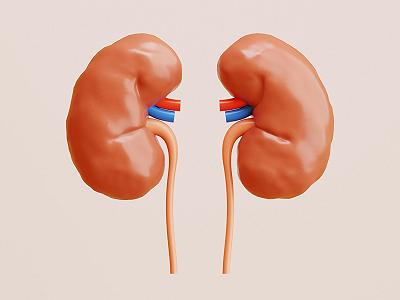
The kidneys are our body's natural filter, continuously purifying the blood of metabolic waste. They also remove excess fluid and help maintain blood pressure within a healthy range. The slightest disruption in their function can trigger a chain reaction, affecting the entire body. At the “Lekarze w Warszawie” medical center, a qualified nephrologist will help detect hidden urinary system pathologies in time and halt the progression of chronic diseases.
This specialist thoroughly evaluates the kidneys, treats them medically without surgery, and helps safeguard their function for the future. Unlike other medical specialists, a nephrologist in Warsaw approaches these paired organs as a complex therapeutic system. The primary goal is to preserve natural kidney function for as long as possible and avoid serious complications.
The scope of expertise of this specialist includes:
The work of this physician bridges internal medicine, cardiology, and endocrinology, as the kidneys are particularly susceptible to diabetes and hypertension. Consulting a specialist early helps detect asymptomatic tissue changes in time. High-quality diagnostics enables a health management plan to be created before severe clinical symptoms manifest.
The range of conditions a nephrologist treats is extensive, spanning from common urinary tract infections to complex systemic disorders. The specialist relies exclusively on conservative, non-surgical methods and designs personalized medical regimens. This approach helps prevent nephron loss and stabilizes blood filtration.
The most frequent diagnoses encountered in clinical practice include:
Successful management of each of these conditions depends directly on how early the patient seeks medical care. Modern medicine can effectively compensate even for complex genetic or systemic disorders when therapy is selected properly.
Renal pathologies are treacherous because they rarely cause pain in the early stages, as kidney tissue lacks sensory nerve endings. The body only signals distress once the strain on the renal system becomes critical. Knowing when a nephrologist can help enables you to identify subtle warning signs and seek medical care promptly.
Booking a medical consultation is strongly advised if you experience any of the following symptoms:
Furthermore, regular checkups are vital for patients managing diabetes or long-standing, poorly controlled hypertension. The kidneys are a primary target organ in these conditions and suffer damage first.
To maximize the value of your initial consultation, proper preparation for a visit to a nephrologist is key. It does not involve rigid restrictions, yet it significantly streamlines the diagnostic process. Prior to the appointment, it is recommended to:
Additionally, avoid alcohol and excessively salty or spicy meals for 24 hours prior to the exam, as they can temporarily alter blood pressure and cause fluid retention. Pure, still drinking water should remain part of your regular fluid intake.
The visit begins with an attentive and detailed conversation. The doctor listens to your concerns and reviews your medical history. The physician will inquire about lifestyle habits, fluid intake, diet, and family history of chronic or hereditary conditions.
Following the interview, the doctor performs gentle palpation, measures blood pressure on both arms, and checks for edema. By gently percussing the lower back, the specialist evaluates kidney tenderness, outlines a targeted diagnostic plan, and provides initial preventive recommendations.
We believe that reliable and timely kidney care should remain affordable. At our clinic, the nephrologist consultation price is fixed, with no hidden fees or unnecessary add-on charges. The cost of an initial comprehensive visit includes a full medical history review, physical exam, evaluation of records, and a step-by-step diagnostic plan. The current price list can be viewed on our website or confirmed with our reception staff before booking.
Modern nephrology care in Warsaw at the “Lekarze w Warszawie” clinic combines European diagnostic standards with attentive patient care. If you are looking for an experienced nephrologist in Warsaw, our reception team is ready to assist with your booking. We provide:
Do not postpone caring for your body's filtration system—kidneys rarely give early warnings through pain.
If you are looking for medical expertise, personal attention, and flexible appointment scheduling without long waiting times, our doors are open. Contact our clinic by phone or submit the online form on our website to schedule your consultation at a time that suits you best.
The distinction lies in treatment approaches and pathology types. A urologist is a surgeon specializing in operative conditions of the entire genitourinary system (large stones, tumors, prostate enlargement). A nephrologist is an internist who treats kidney tissue medically through pharmacotherapy, diet, and lifestyle changes, and monitors patients following renal and ureteral surgery.
To establish a definitive diagnosis, a nephrologist orders laboratory and imaging tests. These include comprehensive urinalysis, blood tests for creatinine, urea, and uric acid, and estimated glomerular filtration rate (eGFR) calculations. Structural evaluation requires an ultrasound scan, while complex clinical cases may call for a CT scan or kidney biopsy.
No referral from a primary care physician is required for private consultations. You can book an appointment at “Lekarze w Warszawie” independently based on symptoms, abnormal urinalysis results, or recommendations from other healthcare providers, avoiding bureaucratic delays.
Inflammatory conditions and metabolic complications are the most prevalent in clinical practice. Nephrologists frequently manage chronic kidney disease (CKD) secondary to arterial hypertension, pyelonephritis, and nephrolithiasis. Detected early, these disorders respond well to medical management, preserving quality of life.

We care for your health with full commitment and professionalism.
Initial nephrology consultation
zł 250.00
Teleconsultation in nephrology
The success of our clinic is built upon experienced doctors - experts in their fields who combine knowledge, passion, and an individual approach to each patient.
What our clients say about us
Andrey Ovchinnikov

The nephrologist was top-notch - he explained everything clearly and put me at ease. The service was excellent. I was pleased with everything.
Anastasiia Demidova
A very good clinic. You can truly feel that you are in professional hands — everything is at the highest level! Highly recommended!
Alena Malchanava
I have used their services more than once - the doctors are true professionals. Thank you, I highly recommend them!
We have answers to all questions
It is advisable to visit a nephrologist in case of swelling, lower back pain, frequent or painful urination, changes in urine color, hypertension, or abnormal urinalysis and creatinine test results.
No, you can book a private appointment with a nephrologist - by phone or online - without a referral.
The doctor may order urinalysis, blood tests (including creatinine, urea, and electrolytes), kidney ultrasound (USG), or other imaging studies to accurately assess the function of the urinary system.
Concerning symptoms include leg or facial swelling, foamy urine, decreased urine output, hypertension, or chronic fatigue.
We accept payments in cash, by card, or online (PayU).
No, we are a private clinic and do not provide services under the National Health Fund (NFZ).


.jpg)