
Initial endocrinology consultation
zł 260.00
The pancreas is a small but hardworking organ tucked behind the stomach, and its condition affects digestion, metabolism, and blood sugar control all at once. Understanding what the pancreas is responsible for explains why even minor dysfunction can ripple through the entire body. Its exocrine tissue produces enzymes that break down proteins, fats, and carbohydrates in the small intestine, while its endocrine tissue releases insulin and glucagon to keep glucose levels stable.
When either of these functions falters, patients may struggle with poor nutrient absorption, unexplained weight loss, or unstable blood sugar. Because the gland sits deep within the abdomen and shares blood supply and ducts with the liver and gallbladder, pancreatic disorders often develop quietly before becoming noticeable, which makes attentive, regular medical care especially valuable.
Recognizing how the pancreas hurts is often the first step toward an accurate diagnosis, since the discomfort can be mistaken for ordinary stomach trouble. Pain typically appears in the upper abdomen and may radiate toward the back, intensifying after fatty meals or alcohol consumption. Beyond pain, the gland's dysfunction tends to produce a distinctive combination of digestive and systemic complaints.
Any combination of these signs lasting more than a few days warrants a consultation. Early evaluation allows treatment to begin before complications develop.
Pancreatic diseases range from short-lived inflammatory episodes to serious, life-altering conditions, and each requires a distinct diagnostic and treatment approach. Below are the disorders most frequently encountered in clinical practice.
Acute pancreatitis develops suddenly, usually triggered by gallstones blocking the pancreatic duct or by heavy alcohol intake, producing severe, sharp pain accompanied by fever and a rapid pulse. The inflammation causes digestive enzymes to activate prematurely inside the gland, effectively damaging its own tissue. Hospitalization is often required to control pain, replace fluids, and monitor for complications such as infection or organ failure.
Chronic pancreatitis results from repeated or prolonged inflammation that gradually replaces healthy pancreatic tissue with scar tissue, permanently reducing the organ's ability to produce enzymes and hormones. Patients frequently experience recurring pain, fatty stools, and eventually diabetes as insulin production declines. Long-term alcohol use is the leading cause, though genetic factors and duct abnormalities also contribute significantly.
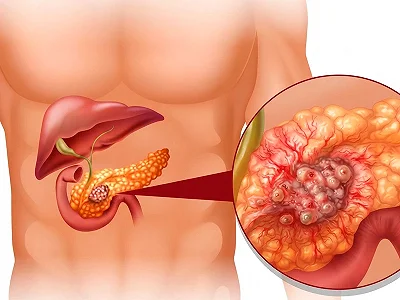
Pancreatic cancer is notoriously difficult to detect early because the gland's deep location allows tumors to grow silently for months. By the time symptoms such as jaundice, abdominal pain, or sudden diabetes appear, the disease has often progressed. Risk increases with smoking, chronic pancreatitis, obesity, and a family history of the disease, which is why individuals with these risk factors benefit from closer monitoring.
A cyst on the pancreas is a fluid-filled sac that may form after an episode of inflammation or arise without any clear preceding cause. Most cysts are benign and produce no symptoms, being discovered incidentally during imaging performed for unrelated reasons. Some types, however, carry a risk of becoming cancerous over time, so specialists classify and monitor them carefully using imaging and, when needed, fluid analysis.
Identifying what causes pancreatic disease helps patients understand their personal risk and take preventive steps where possible. The gland is vulnerable to a mix of lifestyle, structural, and genetic influences that can act alone or in combination.
Because several of these factors overlap with everyday habits, adjusting diet, limiting alcohol, and quitting smoking meaningfully lowers the risk. Regular checkups matter most for those with a family history of gland disease.
Pancreatitis in children is far less common than in adults, yet it does occur and often stems from different causes, including congenital duct abnormalities, gallstones, viral infections, abdominal trauma, or certain medications. Young patients typically describe abdominal pain around the navel along with vomiting and reluctance to eat, symptoms that parents may initially attribute to a stomach virus.
Because children cannot always describe their discomfort precisely, pediatric specialists rely on blood tests and imaging to confirm the diagnosis quickly. Prompt, gentle care also eases stress for the whole family.
A precise diagnosis relies on combining laboratory results with imaging that visualizes the gland's structure directly. Patients seeking pancreatic tests in Warsaw can expect a thorough, step-by-step evaluation designed to identify the underlying problem without unnecessary delay.
Combining these methods lets physicians distinguish between inflammation, cysts, and tumors with confidence. Results are typically available quickly, so patients are not left waiting for answers.
Choosing where to pursue pancreas treatment in Warsaw matters, since these conditions demand coordinated care between gastroenterologists, endocrinologists, and diagnostic specialists. Lekarze w Warszawie brings these specialists together under one roof, eliminating the delays that come from bouncing between separate clinics for consultations and test results.
Patients receive continuity of care from the first consultation through follow-up monitoring, which matters greatly for chronic conditions. This consistent approach builds the trust that makes long-term treatment easier to follow.
Treatment for pancreatic disorders is tailored to the specific condition, its severity, and the patient's overall health, ranging from conservative management to surgical intervention. Mild inflammation often responds well to dietary adjustments, enzyme supplementation, and pain control, while more advanced disease may require hospitalization or procedures to remove obstructions.
Regardless of the approach chosen, ongoing monitoring ensures treatment can be adjusted promptly if the condition changes. Specialists reassess the plan at each follow-up visit.
If you have noticed persistent abdominal discomfort, digestive irregularities, or any of the warning signs described above, do not postpone seeking help. Lekarze w Warszawie offers comprehensive treatment of pancreatic diseases in Warsaw, combining accurate diagnostics with individualized care from specialists who understand the full complexity of this organ. Book an appointment today or call us to arrange a consultation and take the first step toward lasting relief.
Patients often ask what you can eat with pancreatic disease, and the answer centers on low-fat, easily digestible meals eaten in smaller, more frequent portions. Lean proteins, well-cooked vegetables, and whole grains are generally well tolerated, while fried foods, alcohol, and heavy cream-based dishes should be avoided since they force the gland to work harder. A nutritionist can help design a plan suited to the specific stage and severity of the condition.
Understanding where the pancreas hurts helps distinguish it from other complaints, as the discomfort is usually felt in the upper middle or upper left abdomen and often spreads toward the back. The pain often worsens after eating, particularly following fatty meals, and may ease slightly when leaning forward. Because this pattern overlaps with other digestive conditions, a professional evaluation remains essential for an accurate diagnosis.
Pancreatic function tests, including amylase and lipase measurements, are the primary blood markers used to detect inflammation or gland dysfunction. Elevated levels typically point toward acute inflammation, while additional markers such as blood glucose and liver enzymes help build a fuller clinical picture. These results are always interpreted alongside imaging and the patient's symptoms rather than in isolation.
Many patients wonder whether pancreatitis can be completely cured once damage has become chronic, but the scarring caused by long-term inflammation is generally permanent. However, with consistent treatment, dietary discipline, and abstinence from alcohol, most patients successfully manage symptoms, slow further deterioration, and maintain a good quality of life. Early diagnosis and adherence to a structured treatment plan make the greatest difference in long-term outcomes.

We care for your health with full commitment and professionalism.
Initial endocrinology consultation
zł 260.00
Teleconsultation with an endocrinologist
The success of our clinic is driven by experienced doctors – experts in their fields who combine knowledge, passion, and an individual approach to the patient.
What our clients say about us
Oksana Kovalenko

I really liked the service – from the reception to the doctor. Heartfelt thanks to the endocrinologist for a very kind approach to patients. It was extremely pleasant, and everything was explained clearly and understandably. I highly recommend it!
Svitlana Soroka
A very good impression remained after the visit to this clinic. Everything was professional and very comfortable.
Mykhailo Filonov
Very good clinic. Polite staff. I received a consultation and liked everything very much. I recommend!
We have answers to all questions
It is worth seeing an endocrinologist in case of problems with the thyroid, hormones, excessive fatigue, weight gain, hair loss, or menstrual disorders.
No, you can book an appointment with an endocrinologist without a referral — by phone, online, or in person at the reception desk.
Yes, at our facility, you can perform a full range of hormonal tests, including TSH, FT3, FT4, prolactin, cortisol, testosterone, and others.
Disturbing symptoms include, among others, excessive thirst, frequent urination, sudden weight loss, drowsiness, skin problems, or concentration disorders. In such cases, it is worth performing basic hormonal tests and glucose level checks.
Yes, remote consultation is possible to discuss test results, symptoms, or treatment adjustments.
No, we are a private clinic and we do not cooperate with the NFZ (National Health Fund).