
Initial endocrinology consultation
zł 260.00
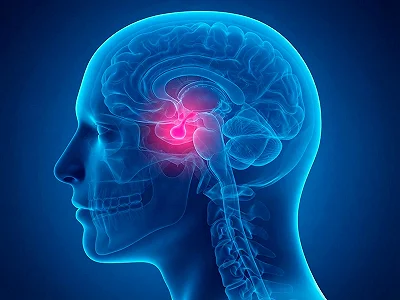
The pituitary gland is a pea-sized endocrine structure located at the base of the brain, inside a bony cavity called the sella turcica. Despite its modest size, this gland acts as the master regulator of the endocrine system, coordinating the thyroid, the adrenal glands, and the reproductive organs through a constant exchange of chemical signals.
It works closely with the hypothalamus, which sends signals instructing the pituitary gland on how much of each hormone to release into the bloodstream. Growth, metabolism, and stress response all depend on this small gland, which is why our specialists approach every case with an individualized diagnostic plan.
The gland has two functional parts, the anterior and posterior lobes, each responsible for a distinct set of pituitary hormones. The anterior lobe manufactures growth hormone, prolactin, thyroid-stimulating hormone, and adrenocorticotropic hormone, while the posterior lobe releases oxytocin and antidiuretic hormone, substances produced by the hypothalamus and merely stored here.
Among the most clinically significant pituitary hormones are:
An excess or deficiency of any of these substances can trigger symptoms across several organ systems at once, which makes early diagnosis essential.
Pituitary gland diseases arise either from benign tumors that alter hormone secretion or from damage that impairs the gland's ability to function properly. Because the clinical picture varies depending on which hormones are affected, patients often consult several specialists before receiving an accurate diagnosis, and our endocrinologists are trained to recognize the subtle signs that point toward this small but powerful gland.
Acromegaly develops when the pituitary gland secretes excessive growth hormone in adulthood, after the growth plates have already closed. Common acromegaly symptoms include enlargement of the hands, feet, and facial features, along with joint pain and excessive sweating. When the same excess occurs before puberty, it produces gigantism instead, marked by unusually rapid height growth, and both conditions require prompt evaluation to limit cardiovascular risk.
Hyperprolactinemia refers to an abnormally high level of prolactin in the blood, most often caused by a small pituitary tumor known as a prolactinoma. Women may notice irregular cycles, unexpected milk production, or difficulty conceiving, while men often experience reduced libido and lower testosterone. Because medications and thyroid disorders can also raise prolactin, careful evaluation is necessary before confirming the diagnosis.
A pituitary adenoma is a noncancerous growth that forms within the gland and may either secrete excess hormones or remain inactive while still pressing on nearby structures. Larger adenomas can compress the optic nerves, causing visual disturbances and persistent headaches, so imaging is recommended whenever such symptoms appear. Most pituitary adenomas grow slowly and respond well to treatment once correctly identified.
Hypopituitarism, also known as pituitary insufficiency, occurs when the gland fails to produce adequate amounts of one or several hormones. Patients often report persistent fatigue, unexplained weight changes, and diminished sexual function, symptoms that develop gradually and are easy to mistake for stress or aging. Because pituitary insufficiency can affect several hormonal axes at once, treatment typically involves balanced hormone replacement tailored to each patient.
Pituitary apoplexy is a sudden, potentially life-threatening event caused by bleeding into the gland or a sharp interruption of its blood supply, usually within an existing adenoma. It typically announces itself with a severe, abrupt headache and visual disturbances, sometimes with altered consciousness, and requires immediate attention rather than a routine visit. Rapid imaging and hormonal testing allow our specialists to decide whether emergency intervention or close monitoring is the safer path.
Accurate diagnosis of pituitary gland disorders combines laboratory analysis with advanced imaging, since hormonal imbalances rarely present with a single, unmistakable symptom. Pituitary gland diagnostics at our center begin with a thorough consultation, during which the endocrinologist reviews the patient's history before selecting the most relevant pituitary gland tests for the case.
Depending on the suspected condition, the diagnostic process may include:
This combined approach allows our specialists to pinpoint the exact source of the imbalance and design a treatment strategy suited to the patient's hormonal profile.
Pituitary gland treatment is always individualized, since the right approach depends on the disorder, the hormones involved, and the size of any existing tumor. In many cases, targeted medication can normalize hormone levels and shrink hormone-secreting adenomas without surgery, offering an effective and minimally invasive path to recovery.
When medication alone is insufficient, our team may recommend the following options:
Throughout treatment, patients receive regular follow-up visits so hormone levels can be reassessed and the plan refined, ensuring lasting stability rather than a temporary improvement.
Patients turn to Lekarze w Warszawie for pituitary care because our endocrinology team combines clinical experience with a genuinely attentive approach. Rather than rushing through appointments, our specialists take time to explain results in plain language and answer every question about a patient's condition.
Choosing our center means access to the following advantages:
This combination of expertise and personalized attention has made our clinic a trusted choice for reliable answers about hormonal health.
If you have noticed unexplained changes in your body, persistent headaches, or symptoms suggesting a hormonal imbalance, do not wait to seek professional guidance. Our team is ready to provide pituitary disorder treatment in Warsaw built around thorough diagnostics and a compassionate, personalized approach to every patient's needs.
Call us today or use our online booking system to schedule a consultation with one of our endocrinologists. Book an appointment now and take the first confident step toward understanding your hormonal health and restoring your overall wellbeing.
The pituitary gland itself contains no pain receptors, so does the pituitary gland hurt is a question with a counterintuitive answer, since the gland cannot directly generate pain. However, when a tumor grows large enough to stretch surrounding membranes or press on nearby nerves, patients often experience persistent headaches, frequently the first sign that prompts a medical evaluation.
Enlarged pituitary gland symptoms vary depending on which hormones are affected and how much pressure the growth places on nearby structures. Common signs include persistent headaches, narrowed peripheral vision, unexplained fatigue, and disturbances such as irregular periods or reduced libido. Because these symptoms resemble many other conditions, a proper evaluation with imaging and hormone testing is the only reliable way to confirm the cause.
Hypothalamic-pituitary-adrenal axis disorders disrupt the finely tuned communication between the brain and the adrenal glands, leading to either excessive or insufficient cortisol production. Patients with reduced axis activity often report profound fatigue and low blood pressure, while overactivity can cause weight gain and difficulty coping with stress. Identifying where the disruption originates is essential for selecting the correct treatment.
Pituitary gland damage symptoms often develop gradually, making them easy to overlook until they interfere with daily life. Warning signs include unexplained weight fluctuations, chronic tiredness, changes in menstrual cycle or libido, and low blood pressure that does not improve with rest. Anyone noticing several of these symptoms together should undergo a hormonal evaluation, since early detection improves treatment outcomes.

We care for your health with full commitment and professionalism.
Initial endocrinology consultation
zł 260.00
Teleconsultation with an endocrinologist
The success of our clinic is driven by experienced doctors – experts in their fields who combine knowledge, passion, and an individual approach to the patient.
What our clients say about us
Oksana Kovalenko

I really liked the service – from the reception to the doctor. Heartfelt thanks to the endocrinologist for a very kind approach to patients. It was extremely pleasant, and everything was explained clearly and understandably. I highly recommend it!
Svitlana Soroka
A very good impression remained after the visit to this clinic. Everything was professional and very comfortable.
Mykhailo Filonov
Very good clinic. Polite staff. I received a consultation and liked everything very much. I recommend!
We have answers to all questions
It is worth seeing an endocrinologist in case of problems with the thyroid, hormones, excessive fatigue, weight gain, hair loss, or menstrual disorders.
No, you can book an appointment with an endocrinologist without a referral — by phone, online, or in person at the reception desk.
Yes, at our facility, you can perform a full range of hormonal tests, including TSH, FT3, FT4, prolactin, cortisol, testosterone, and others.
Disturbing symptoms include, among others, excessive thirst, frequent urination, sudden weight loss, drowsiness, skin problems, or concentration disorders. In such cases, it is worth performing basic hormonal tests and glucose level checks.
Yes, remote consultation is possible to discuss test results, symptoms, or treatment adjustments.
No, we are a private clinic and we do not cooperate with the NFZ (National Health Fund).