
Sudden Blood Pressure Spikes
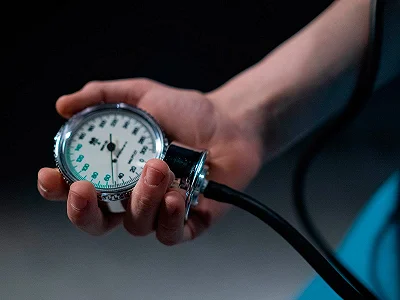
Our body is a complex system that instantly reacts to any changes in the external environment and internal irregularities. One of the clearest signals of body overload is the unstable functioning of blood vessels. When blood pressure monitor readings begin to change chaotically throughout the day, a person loses their usual productivity, struggles with severe weakness, and experiences a constant sense of anxiety about their health.
What are arterial blood pressure fluctuations
Simply put, blood pressure spikes are sudden, unpredictable changes in the force with which blood presses against the walls of our blood vessels. Under normal conditions, these values should remain at a similar level, providing a stable and gentle blood supply to all organs. However, when internal regulatory mechanisms fail, the vessels begin to either constrict too tightly or suddenly relax, causing the blood pressure monitor readings to rapidly soar or drastically drop.
Such sudden fluctuations cause a massive mechanical overload on the entire circulatory system, meaning the body simply cannot keep up with adapting to the changing conditions.
Causes of sudden blood pressure spikes
A loss of vascular control is caused by many factors, most of which are closely linked to our daily habits and hidden internal diseases. The main causes of sudden blood pressure spikes lie in the gradual exhaustion of the nervous system and the loss of elasticity in the blood vessel walls themselves. The body loses its ability to smoothly regulate blood flow, meaning that any external stimulus can provoke a sudden vascular spasm.
Smoking
Every cigarette smoked delivers a strong chemical blow to the circulatory system due to the immediate effect of nicotine on nerve endings. As a result of this interaction, a severe spasm of the arteries occurs, their lumen narrows, and the heart has to put in a massive effort to push the blood forward.
Stress
Constant psycho-emotional tension, workplace conflicts, and chronic fatigue force the adrenal glands to continuously release stress hormones into the blood. These substances make our heart beat at its limits, and the blood vessels rapidly constrict, preparing the body for a perceived danger.
Sedentary lifestyle
The lack of regular walks and sedentary office work lead to our blood vessels becoming completely unaccustomed to natural physical exertion. Without movement, blood begins to pool in the veins, and the heart muscle gradually weakens and loses its usual tone.
Endocrine system changes
Hormones produced by our endocrine glands act as the main conductors of all metabolic processes and directly control the tone of the vascular bed. Any disruptions, such as thyroid problems or the body's natural aging processes, lead to hormonal imbalance.
Kidney dysfunction
The kidneys play an incredibly important role in the body: they not only filter the blood but also produce specific substances that directly control blood pressure levels. If their functioning is disrupted by hidden inflammation, excess fluid begins to be retained in the body, increasing the total volume of circulating blood.
Symptoms of blood pressure spikes
When the blood vessels stop working stably, the body immediately reacts with a whole set of unpleasant symptoms that hinder daily functioning. It is important to remember that these symptoms of blood pressure spikes require absolute attention, as they signal that the brain and heart are currently working under overload conditions.
Typical symptoms of vascular instability:
- sudden throbbing pain in the back of the head, temples, or a feeling of heaviness in the head;
- severe dizziness, unsteadiness, and dark spots before the eyes when standing up quickly;
- the appearance of noise, humming, or ringing in the ears, as well as small dark floaters before the eyes;
- bouts of nausea, sudden profuse sweating, facial flushing, or conversely – sudden chills;
- a feeling of shortness of breath, a rapid and irregular heartbeat accompanied by unjustified anxiety.
Early recognition of these symptoms allows you to take action in time and prevent a dangerous deterioration in your overall health.
First aid for arterial blood pressure spikes
Proper first aid for a sudden blood pressure spike can significantly reduce the load on the brain and heart until a specialist is consulted.
Step-by-step algorithm during an acute attack:
- Lay the person in bed, elevating their head and shoulders using high pillows.
- Unbutton the top buttons of their clothing, loosen their tie or belt to ensure a free flow of fresh air.
- Open a window or a vent in the room, limit bright light and any sources of loud noise.
- Ask them to breathe slowly and deeply – a short inhale through the nose and a smooth, long exhale through the mouth.
- Apply a warm heating pad to their feet or immerse their feet in a bowl of warm water to help draw blood away from the head.
All these simple actions help to gently redirect blood flow in the body and calm the agitated nervous system until medical services arrive.
How to treat arterial blood pressure spikes
Effective treatment of blood pressure fluctuations must always be comprehensive and aimed at eliminating the root cause that disrupts vascular tone.
Main stages of professional therapy:
- Conducting full diagnostics to detect hidden diseases of the kidneys, heart, or endocrine system.
- Selecting an individualized combination of mild medications that smoothly maintain proper arterial tone throughout the day.
- Correcting the daily diet by limiting table salt, caffeine, and fatty foods.
- Implementing safe physical exercises to gradually strengthen the heart muscle and capillaries.
Such a comprehensive approach allows for fully stabilizing blood pressure monitor readings, restoring the joy of an active life and confidence in every new day.
Advantages of treating sudden blood pressure fluctuations at Lekarze w Warszawie
At our medical center “Lekarze w Warszawie” we approach the problem of vascular instability with maximum responsibility and care for every patient. Our team consists of cardiologists with vast practical experience, applying modern European medical protocols.
The clinic operates a convenient appointment registration system, completely eliminating tiresome waiting in queues and unnecessary stress. We make every effort to ensure you feel comfortable and that your blood pressure permanently returns to a safe normal range.
Book an appointment for the treatment of blood pressure spikes in Warsaw
There is no need to endure constant discomfort and subject your blood vessels to daily wear and tear when you can regain stable well-being right now. The quick registration form allows you to choose the optimal appointment time and get professional help without unnecessary formalities.
Take care of your safety today – sign up for the treatment of sudden blood pressure spikes in Warsaw via our website or by phone.

We care for your health with full commitment and professionalism.
What our clients say about us
Our clients’ reviews
Oksana

I had an appointment with a cardiologist and I am very satisfied. The doctor is competent, explained everything in an accessible way, and provided good treatment recommendations. The clinic staff is polite and attentive. Service at the highest level. I highly recommend this clinic!
Oksana Kharebina
I am very satisfied with another visit to the medical center. I have been coming here for several years, seeing various doctors. I always encounter an attentive and kind approach from both doctors and nurses. And of course, most importantly – a positive treatment outcome. I recommend it!
Sviatlana Areshchankova
I would like to thank the doctors very much for your work! I liked everything. I highly recommend them.
We have answers to all questions
FAQ
It is worth seeing a cardiologist in case of chest pain, heart palpitations, shortness of breath, swelling, dizziness, or abnormal ECG results.
Yes, you can make an appointment with a cardiologist without a referral — simply contact us by phone or register online.
No special preparation is required. However, it is worth bringing the results of previous tests, a list of medications you are taking, and blood pressure measurements if they have been performed.
The most common symptoms include: chest pain or pressure, rapid fatigue, irregular heartbeat, leg swelling, and shortness of breath.
Yes, we offer telephone or video teleconsultations (via the HaloDoctor platform). During the visit, the doctor can issue an e-prescription, an e-referral, or provide further medical recommendations.
No, we are a private clinic and we do not cooperate with the National Health Fund (NFZ).


