
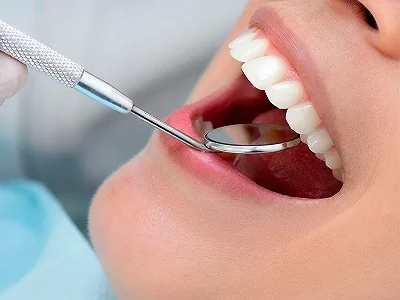
Scaling, air polishing and fluoridation + OptraGate
zł 460.00
A snow-white smile is a standard of modern aesthetics, a sign of health and self-confidence. Over time, even with careful hygiene, teeth lose their original, bright shade. Teeth whitening is a safe, painless, and popular dental procedure that lightens the enamel by several shades and restores the attractiveness of your smile. In our clinic, we use only certified aesthetic dentistry protocols, guaranteeing visible results without damaging tooth tissues. In this guide, we discuss the entire process in detail: from preparation and choice of method to proper oral care after the procedure.
To make the fight against discoloration effective, you must clearly understand the causes of enamel darkening. A tooth consists of an outer layer, which is translucent enamel, and inner dentin, which naturally has a yellowish tint. The real reasons for color changes fall into two main categories: external and internal.
External (exogenous) factors:
Internal (endogenous) factors:
Modern clinical dentistry offers several proven ways to change tooth color. Safe teeth whitening methods are chosen by the doctor individually, based on the patient's enamel condition, the expected result, and the budget.
The basic principles of teeth whitening are based on strict adherence to medical protocols and patient safety. Whitening is not the mechanical removal of plaque, but a chemical process. Active oxygen penetrates through the enamel prisms to the dentin and breaks down pigment molecules into colorless compounds. The structure of the tooth itself is not destroyed.
Key goals of teeth whitening are:
Preparation is the most important stage, determining half the success of the entire procedure. Actions to take before teeth whitening:
Immediately after the active gel is applied, the micropores of the enamel remain open, and the teeth become highly susceptible to all stains. Strict recommendations after teeth whitening guarantee the longevity of the result.
Choosing the right clinic determines your safety and comfort. At the Lekarze w Warszawie medical center, the procedure is performed by qualified dental hygienists and dentists. We use only certified preparations from renowned manufacturers with a balanced pH level, which precludes chemical damage to the enamel. Before the procedure, we always carefully isolate soft tissues. We do not use cookie-cutter solutions – the concentration of the active substance is selected individually to ensure maximum results with full safety for the patient.
The financial aspect is always important. The final prices of teeth whitening are influenced by the chosen method and the need for prior oral preparation. In-office lamp whitening is a more expensive procedure due to the use of advanced equipment and concentrated preparations. At-home whitening with custom trays costs less but requires complete discipline from the patient. The costs should also include the price of prior professional hygiene (scaling and sandblasting), without which whitening makes no sense. Our clinic applies a transparent pricing policy – the exact cost of the entire therapy is presented by the doctor at the first consultation after assessing the condition of the teeth.
Do not put off your dreams of a beautiful and healthy smile. To schedule a visit and book a teeth whitening appointment, simply contact our clinic's reception. The staff will quickly find a convenient date for a preliminary examination and professional hygiene. Entrust your smile to professionals and enjoy a perfect, lasting result.
Preparation begins with a check-up visit to the dentist. The basis is oral sanitation (treating cavities) and mandatory professional hygiene – removing hard tartar and soft plaque. Without thorough cleaning, the active gel will not penetrate the enamel evenly. A few weeks before the procedure, it is also recommended to switch to a toothpaste that remineralizes and reduces sensitivity.
No. If the procedure is performed by a qualified specialist following appropriate protocols, it is a completely safe and effective teeth whitening. Modern preparations have a neutral pH and do not destroy the mineral structure of the enamel, acting only on organic pigment molecules in the dentin.
The procedure itself does not cause pain. However, during it and for 12–24 hours afterward, tooth hypersensitivity (reaction to cold air or water) may occur. This is a normal bodily reaction. After whitening, the doctor applies a desensitizing gel that closes the dentinal tubules and quickly eliminates any discomfort.
How long the teeth whitening effect lasts depends primarily on the patient's diet and lifestyle. On average, a snow-white smile lasts from 1 to 3 years. If the patient smokes and consumes many staining products (coffee, wine), the teeth will darken faster. To maintain the result, it is recommended to use at-home trays with a low-concentration gel (a touch-up procedure) once every six months.
There is no single universal method. The best teeth whitening method is chosen based on the initial color of the teeth and the sensitivity of the patient's enamel. For very fast results, in-office whitening with an LED lamp is the best choice. For people with high hypersensitivity or those who prefer to gradually control the process, at-home tray whitening is recommended.
The only solution that realistically and permanently helps whiten teeth is professional dental preparations based on hydrogen peroxide or carbamide peroxide. Whitening toothpastes, activated charcoal, baking soda, or drugstore strips only have an abrasive effect on superficial plaque. They often mechanically scratch the enamel and cannot lighten deeper layers of dentin. Actual color change is only possible through professional clinical procedures.
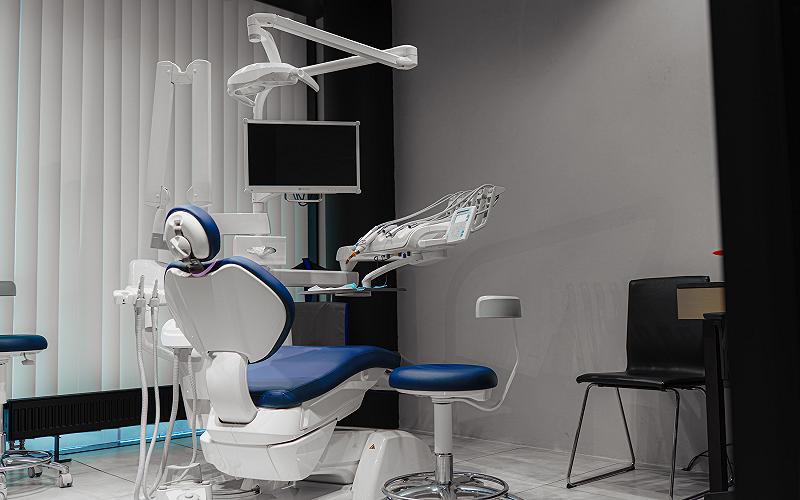
We care for your health with full commitment and professionalism.
Scaling, air polishing and fluoridation + OptraGate
zł 460.00
Pediatric dental hygiene (for children up to 14 years old)
zł 330.00
Periodontal check-up and consultation
zł 250.00
Tooth extraction
zł 0.00
Dental treatment
zł 0.00
Primary tooth extraction
zł 0.00
Dental check-up and consultation
zł 150.00
Prosthodontic consultation
zł 200.00
Oral surgery consultation
zł 200.00
Implantology consultation
zł 220.00
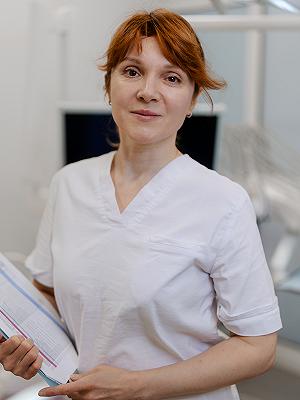
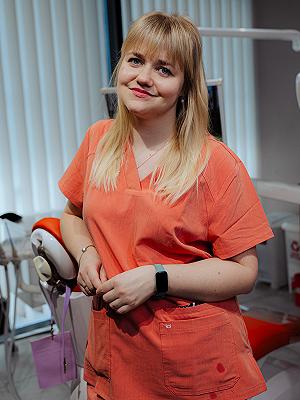
The success of our clinic is driven by experienced doctors – experts in their fields who combine knowledge, passion, and an individual approach to the patient.
What our clients say about us
Julianna Marchalewska

I highly recommend Dr. Volodymyr Livandovskyi - kind, professional, and committed. I am very satisfied with the visit!
Maksym Surzhok
Great dental clinic! Service at the highest level, doctors are very polite and professional. Treatments are painless, and the results are always pleasing. A comfortable atmosphere and modern equipment create pleasant conditions for treatment. I recommend it to everyone.
Nikita Pasechnyk
Kind staff, professional doctors, everything at the highest level. I recommend!
We have answers to all questions
Yes, we recommend prior registration – by phone or online.
No. We use modern and effective anesthesia, which makes the procedures completely painless and comfortable.
Yes, we have our own diagnostic equipment, including point X-rays and a pantomogram, which allows for quick and accurate diagnosis.
Of course. Regular check-ups and hygiene treatments are recommended every 6 months to maintain oral health and prevent cavities.
Yes, we offer consultations and dental treatment for children of all ages – in a friendly, stress-free atmosphere.
Yes, we perform root canal treatment using a microscope, which allows us to save teeth that would have previously required extraction.


.jpg)
.jpg)

.jpg)
.jpg)