
Diagnostyka i badania
Cholesterol in simple terms: how "good" differs from "bad" and why it's worth knowing
Cholesterol is associated by many people with something dangerous, but in itself it is not an "enemy." Our body needs it – it helps build cells, supports brain function, and participates in the production of hormones. The problem begins when its level is inappropriate. That is why it is good to know how to distinguish the cholesterol that supports health from the one that can harm it.
What is cholesterol really?
Simply put, cholesterol is a type of fat that circulates in the blood. To be able to "move" around the body, it combines with proteins to form so-called lipoproteins. It is precisely these that determine whether cholesterol works to our benefit or quite the opposite.
We have two main "types" of cholesterol:
- LDL – commonly called "bad,"
- HDL – referred to as "good."
LDL – why is it called "bad"?
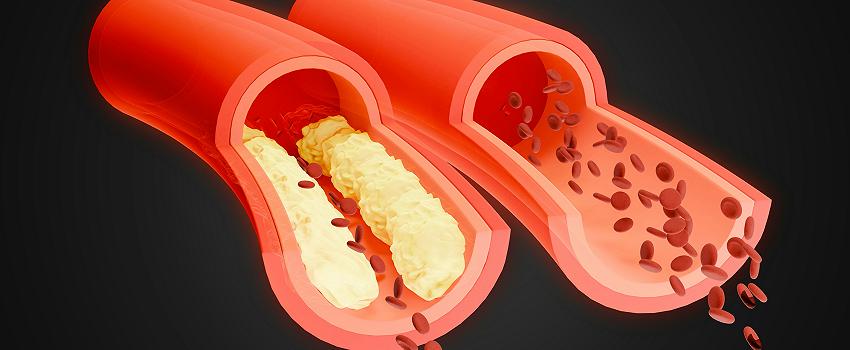
You can think of LDL as a courier that delivers cholesterol where it is needed. The problem is that when there is too much LDL, the "packages" start depositing in the blood vessels. Over time, thickenings form in these places, making it difficult for blood to flow freely.
If the situation lasts for years, it can lead to serious health problems, such as heart disease or stroke. Importanly – high LDL usually does not hurt and gives no immediate symptoms. That is why regular blood tests are so valuable.
HDL – how does "good" cholesterol support the body?
HDL acts like a "cleaner" – it collects excess cholesterol from the blood and carries it where the body can safely "remove" it. Thanks to this, blood vessels remain clear and circulation runs more smoothly.
The higher the HDL level, the better for the heart.
How to look after a healthy cholesterol balance?
The good news is that much depends on daily choices.
Start with your plate
- eat more vegetables, fruits, and whole-grain products,
- choose good fats – e.g. olive oil, nuts, seeds,
- limit fatty meat, fast food, sweets, and deep-frying.
Sea fish (e.g., salmon, mackerel) are also great support for the heart, as they provide valuable omega-3s.
Move regularly
Physical activity helps raise HDL levels and reduce LDL. These do not have to be intense workouts – walking, cycling, dancing, or swimming 4–5 times a week is completely sufficient.
Limit what harms
Cigarettes, high amounts of sugar, and reaching for alcohol frequently do not favor a healthy "cholesterol profile."
Check-up tests – when is it worth doing them?
If you haven't checked your cholesterol level in a long time, it is a good idea to start with that. A simple blood test (a so-called lipid panel) is enough to check the levels of LDL, HDL, and total cholesterol. It is best to perform it once a year.
Cholesterol in itself is not bad – what matters is how much of each type circulates in the body. Maintaining the right balance between HDL and LDL helps look after the heart and blood vessels. Healthy eating, movement, and regular check-ups are three simple steps you can take to take care of your health.


