
Initial internal medicine consultation
zł 230.00
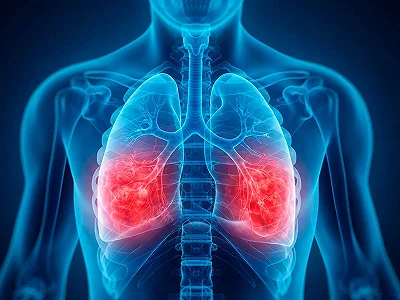
Pneumonia is an inflammation of the lung tissue that develops when the tiny air sacs, known as alveoli, fill with fluid or pus instead of air. This build-up interferes with the exchange of oxygen and carbon dioxide, leaving the affected lung unable to work at full capacity.
The condition can involve one lobe, several lobes, or both lungs at once, and its severity ranges from a mild illness treated at home to a life-threatening emergency requiring hospital care. Because pneumonia can progress quickly, especially in young children, older adults and people with weakened immunity, prompt evaluation by an experienced physician makes a real difference to the outcome.
Doctors classify pneumonia according to where it was acquired, which pathogen triggered it and how far the inflammation has spread through the lung tissue. Among the recognised types of pneumonia, the following categories are the ones clinicians encounter most frequently in daily practice:
Each type calls for a slightly different diagnostic approach and treatment strategy, which is why identifying the exact form of the disease is an essential first step.
The causes of pneumonia are varied, ranging from bacteria and viruses to fungi and inhaled irritants that damage the delicate lung tissue. Streptococcus pneumoniae remains the most common bacterial trigger, while influenza viruses and respiratory syncytial virus frequently cause the illness in children and older adults. Certain circumstances make a person considerably more susceptible to developing the infection:
Recognising these risk factors allows patients and physicians to take preventive steps before the illness has a chance to develop.
The symptoms of pneumonia often begin like an ordinary cold before intensifying over a day or two into something far more serious. Most patients experience a combination of the following complaints, though the exact pattern depends on the underlying cause and the patient's overall health:
Because these signs overlap with other respiratory illnesses, a proper medical assessment remains the only reliable way to confirm the diagnosis and rule out complications.
Bacterial pneumonia tends to strike suddenly, with a high fever, shaking chills and a productive cough that develops within hours rather than days. Patients frequently describe sharp chest pain that intensifies with breathing, along with a rapid heartbeat and noticeable exhaustion. Because bacterial infections respond well to targeted antibiotic therapy, an early diagnosis allows treatment to begin before the illness has a chance to spread further into the lung tissue.
Viral pneumonia usually develops more gradually, often following a cold or influenza infection that fails to improve after several days. The cough tends to stay dry rather than productive, and patients commonly report headache, muscle aches and a lingering sense of fatigue alongside the fever. While most cases resolve with supportive care, certain viral strains can cause severe illness in vulnerable patients, making close monitoring essential.
Chemical pneumonia results from inhaling irritating fumes, smoke or toxic substances that inflame the lung tissue without any infectious organism involved. Aspiration pneumonia, a closely related condition, occurs when food, saliva or stomach contents are drawn into the airways instead of the oesophagus, often in people with swallowing difficulties or reduced consciousness. Both forms require prompt evaluation, since the resulting inflammation can pave the way for a secondary bacterial infection.
Learning how to recognise pneumonia early relies on a combination of careful physical examination and targeted diagnostic testing rather than symptoms alone. During the consultation, the physician listens to the lungs for crackling sounds or diminished airflow and reviews the patient's recent medical history in detail. Confirming the diagnosis and identifying the underlying cause typically involves several complementary steps:
Together, these findings allow the physician to tailor treatment precisely to the type and severity of the illness.
The treatment of pneumonia depends heavily on the underlying cause, the patient's age and the presence of any coexisting health conditions. Bacterial cases are treated with a course of antibiotics chosen according to the likely pathogen and local resistance patterns, while viral pneumonia mainly calls for supportive measures such as rest, hydration and fever control.
In more severe cases, oxygen therapy or hospital admission becomes necessary to stabilise breathing and prevent complications. Physicians at Lekarze w Warszawie design every treatment plan around the individual patient, adjusting medication and follow-up care as recovery progresses.
Patients turn to Lekarze w Warszawie because the centre combines experienced pulmonologists and internists with modern diagnostic technology under one roof. The advantages that set the clinic apart include several factors that matter most when dealing with a respiratory infection:
This combination allows the team to confirm a diagnosis quickly and start effective treatment without unnecessary delay.
A cough that will not ease, a persistent fever or growing breathlessness should never be brushed aside, since pneumonia can worsen rapidly without proper care. If you suspect you or a family member may be affected, the specialists at Lekarze w Warszawie are ready to assess the symptoms thoroughly and recommend the most suitable course of treatment.
Book an appointment online through the clinic's website or call the centre directly to arrange a convenient consultation with an experienced pulmonologist. Do not wait for the illness to progress further — reach out today and take the first step toward a full recovery.
Complications after pneumonia can range from mild to serious, depending on how promptly the infection was treated and the patient's overall health. Fluid may accumulate around the lung, forming what is known as pleural effusion, while in more severe cases an abscess can develop within the lung tissue itself. Some patients experience lingering fatigue and reduced lung capacity for weeks after the acute infection has cleared. Timely treatment and a thorough follow-up examination significantly lower the likelihood of these lasting effects.
Whether pneumonia is contagious depends largely on its underlying cause, since bacterial and viral forms can spread between people while chemical or aspiration pneumonia cannot. The infectious types typically travel through respiratory droplets released during coughing or sneezing, or through contact with contaminated surfaces.
Practising good hand hygiene, covering coughs and avoiding close contact during the early days of illness meaningfully reduces the risk of transmission to others. People with weakened immune systems should take particular care around anyone showing respiratory symptoms.
How long pneumonia lasts varies considerably from one patient to another, though most mild cases improve within one to two weeks with appropriate treatment. Fatigue and a lingering cough can persist for several additional weeks even after the fever and chest pain have resolved. More severe cases, particularly those requiring hospitalisation, may take a month or longer before the patient returns to normal energy levels. Following the prescribed treatment fully and attending follow-up appointments helps ensure a smoother, more complete recovery.
Learning how to prevent pneumonia starts with reducing exposure to the infections and irritants most likely to trigger it. The following measures offer meaningful protection for people of every age:
Combining these habits with regular medical checkups gives the respiratory system the best possible defence against future infection.

We care for your health with full commitment and professionalism.
Initial internal medicine consultation
zł 230.00
Teleconsultation with an internist
Behind the success of our clinic are experienced doctors – experts in their fields who combine knowledge, passion, and an individual approach to the patient.
What our clients say about us
Tetiana Statkevich

I am a regular patient of the clinic and have always been satisfied. I had a visit with an internist yesterday — he examined me thoroughly, explained everything in detail, and referred me for additional tests. Thank you!
Sviatlana Areshchankova
I would like to thank the doctors very much for your work! I liked everything. I highly recommend them.
Sofiia Derkach
I am very satisfied with the clinic! The visit goes quickly, without unnecessary queues. The doctors are attentive and approach their patients with care. I would especially like to highlight the efficient issuance of referrals and the possibility of quickly performing the necessary tests. I recommend it!
We have answers to all questions
You can visit an internist in case of infection, fever, pain, weakness, problems with blood pressure, cholesterol, or other general ailments.
Yes, you can book a visit with an internist without a referral — by phone, online, or in person at the reception desk.
No special preparation is required. However, it is worth bringing an up-to-date list of medications you are taking and results of previous tests, if available.
A visit usually lasts from 20 to 30 minutes. During this time, the doctor conducts an interview, performs a physical examination, and discusses recommendations or a plan for further diagnostics.
Yes, during an in-person consultation, the doctor can issue a medical certificate (e-ZLA).
Yes, a remote consultation is possible to discuss symptoms, test results, and adjustments to current treatment.


.jpg)
.jpg)